>_ The Visual Proof / Screen × Pattern × Factory × World.
One prototype. No second sample round.
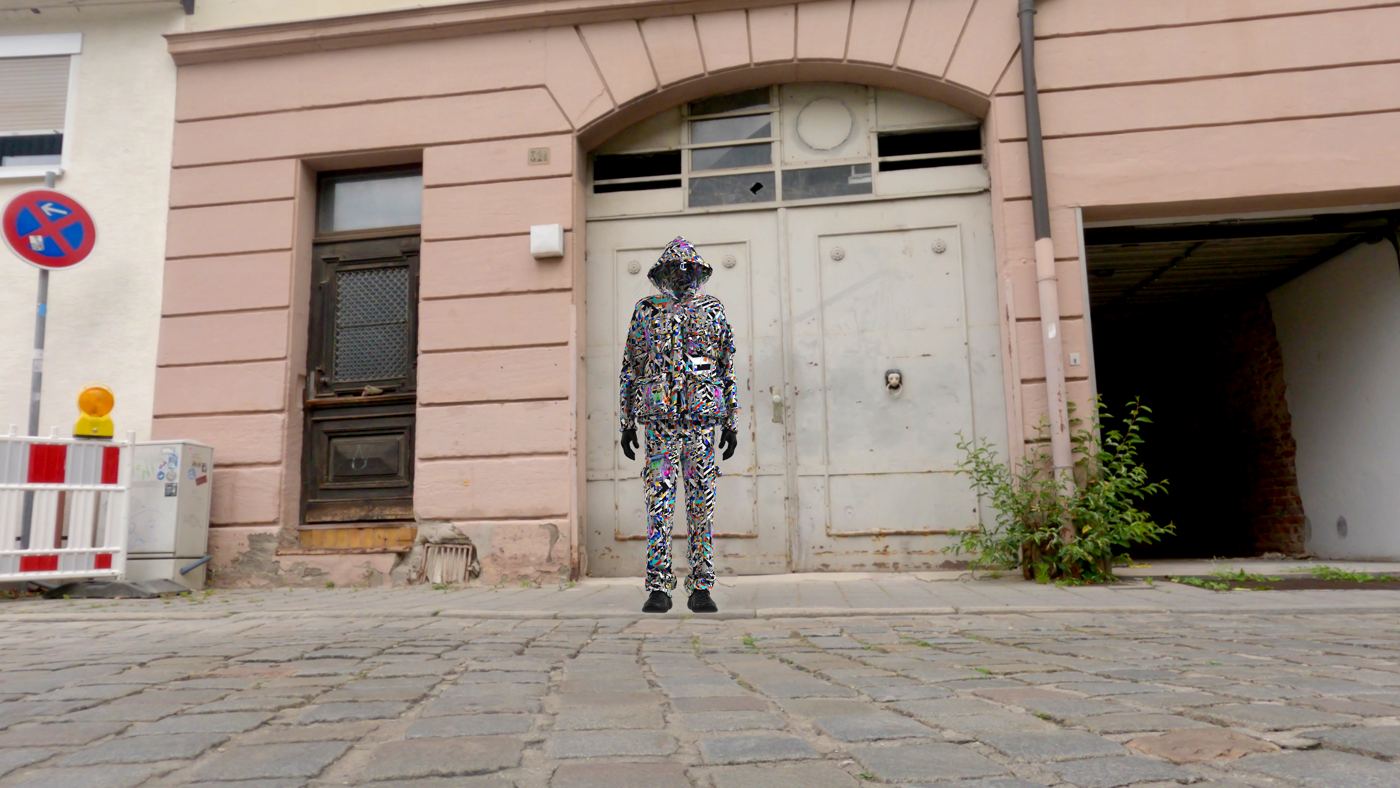
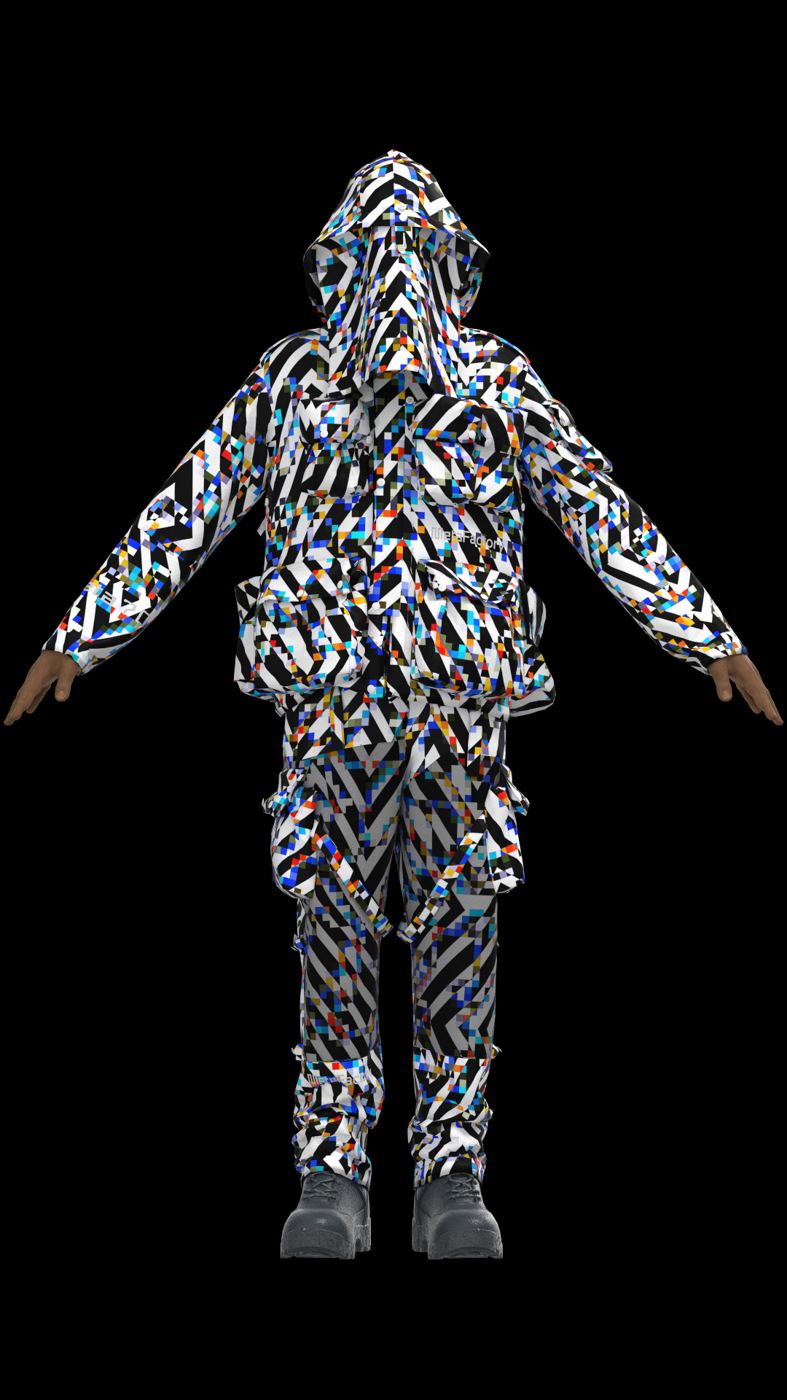
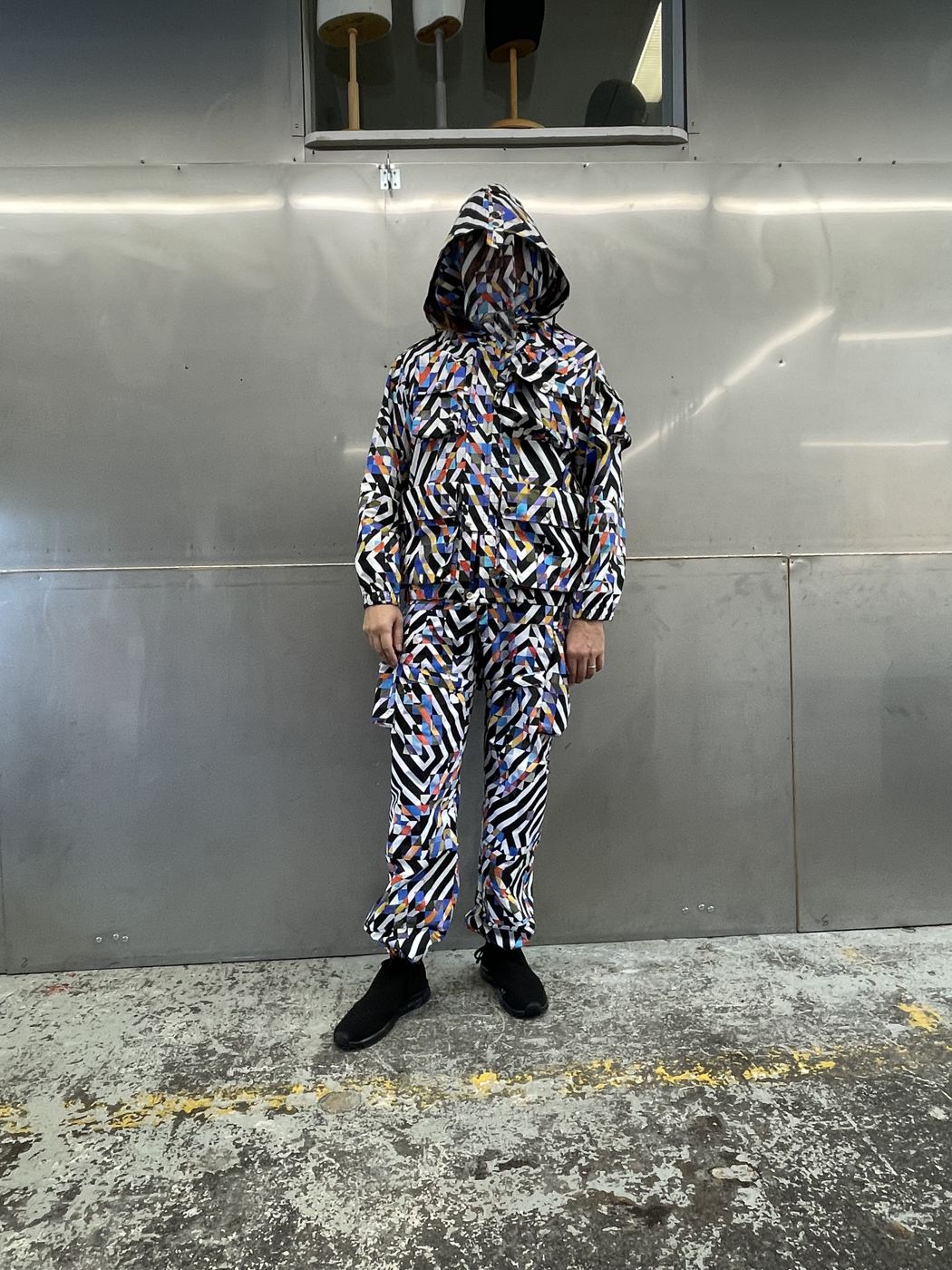
Aesthetic Certainty, in practice. This is the MF70 anti-surveillance suit. The jacket on the left was approved in 3D. The jacket on the right is the only prototype we made. It became the salesman sample.
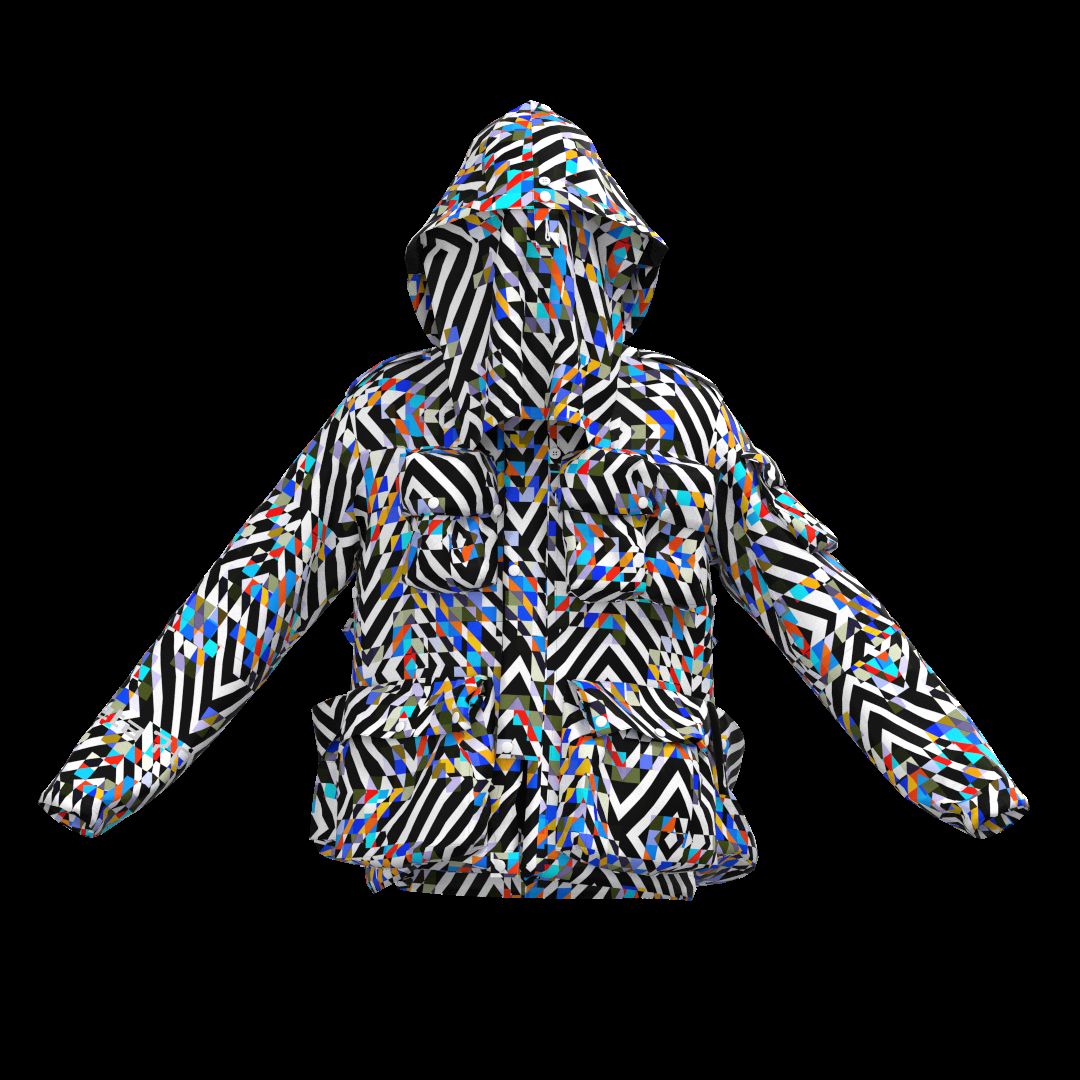
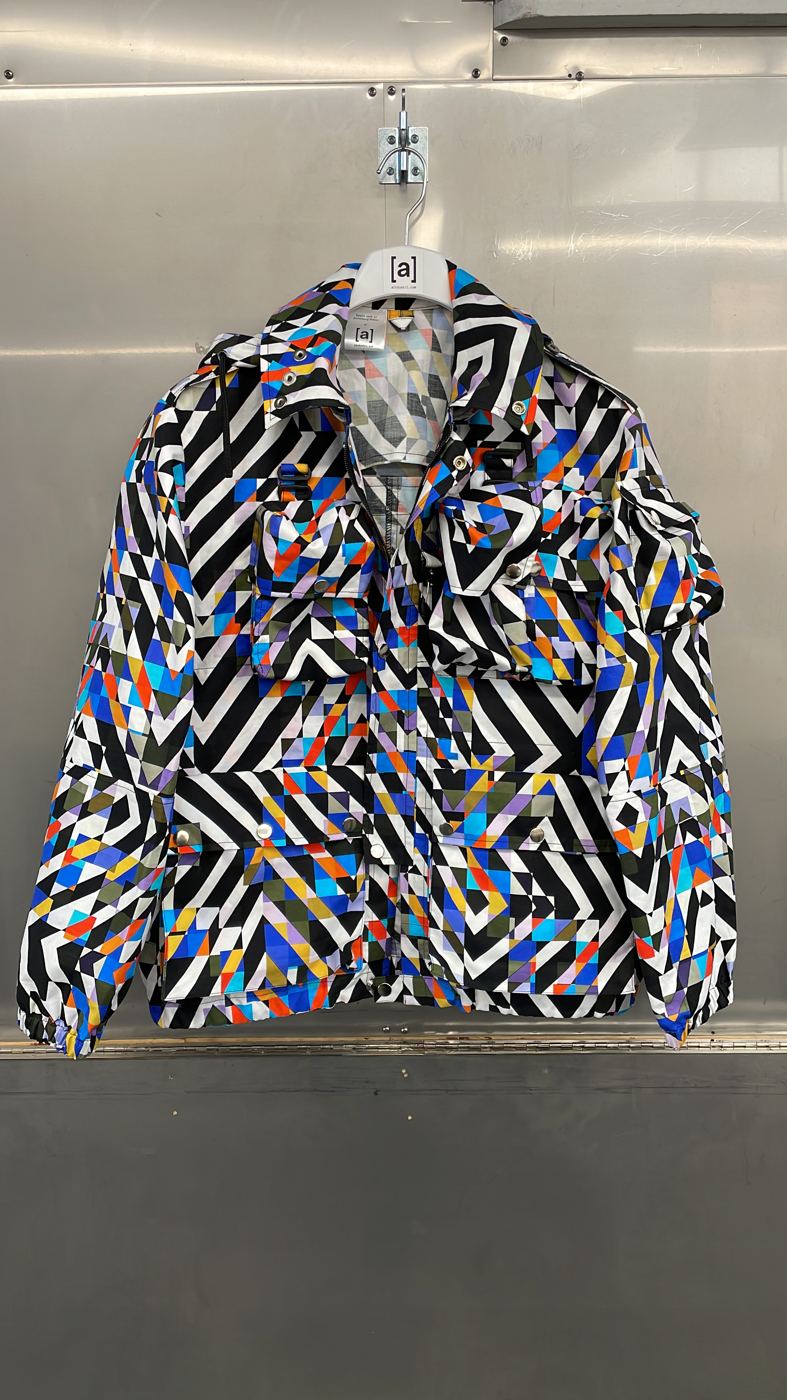
>_ Case: MF70 Anti-Surveillance Suit
> 2022 · MetaFactory × [a]industri > TSOM role: concept, design lead, pattern, 3D engineering, digital prototype > Base: Swiss Army M70 field jacket, 1970s
A few of us met in Amsterdam and asked one question: what if every maker behind a garment was visible? A factory, a print designer, a print house, metaverse builders and a DAO, all working in the open from one pattern file. If that file drifted, everything after it drifted too.
May: digital pattern >_ July: digital prototype final >_ September: launch at MCON2, Denver >_ Oct–Nov: presale, printing, production >_ December: shipping
Stage 1: Compass Lock | Innovation & Vision
>_ Why the M70
The Swiss M70 is a design classic hiding in plain sight. Massimo Osti used it for Stone Island in 1986, then mixed it with a gas mask to create the Goggle Jacket in 1988. Hussein Chalayan, Christopher Raeburn and others have gone back to it since. Over 11 pockets, each one engineered separately. Commercially, that’s crazy. As a lesson in construction, it’s perfect.
>_ Open Research
We built the brief in the open, on one Miro board, with people in Berlin, Gothenburg and the UK. Adversarial patches, papers on machine vision, street tests, print tests. One note on the board set the tone early: a working anti-surveillance pattern might fail completely. In the best case, it makes you less detectable.
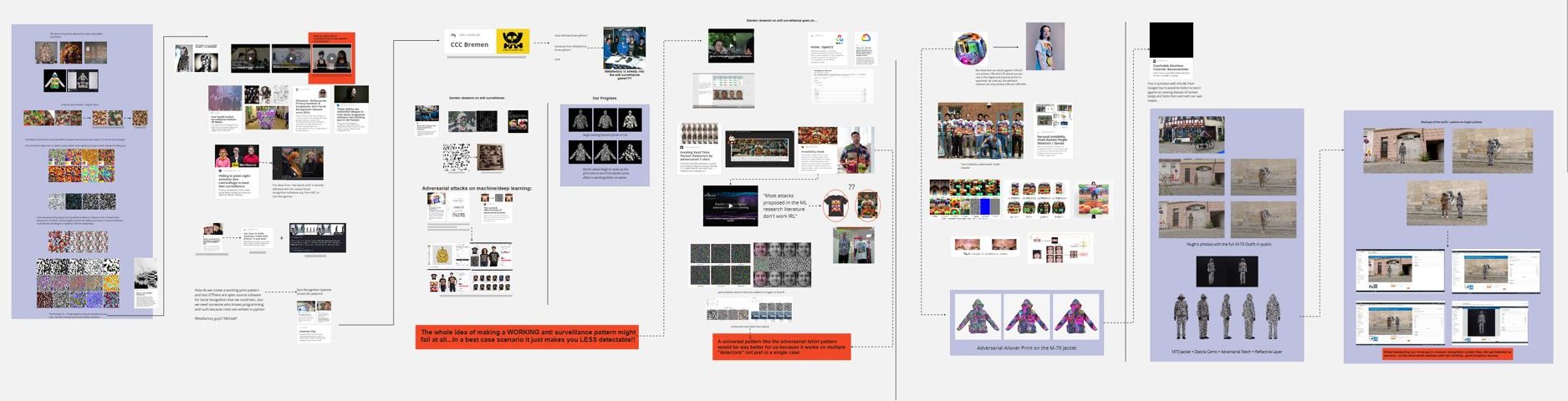
Stage 2: Prototype Rigor | Stage 3: Source of Truth
>_ Wear it. Then take it apart.
When we get an old garment, we wear it first. That’s how we learn where the pockets sit, how they’re used and how it really fits. This one is vintage and runs small: a medium-large wears like a small-medium. Then we took it apart, photographed every piece and rebuilt it 1:1 in CLO 3D.
a 1:1 digital master of the original, graded and open.
guessing the pattern from photos.
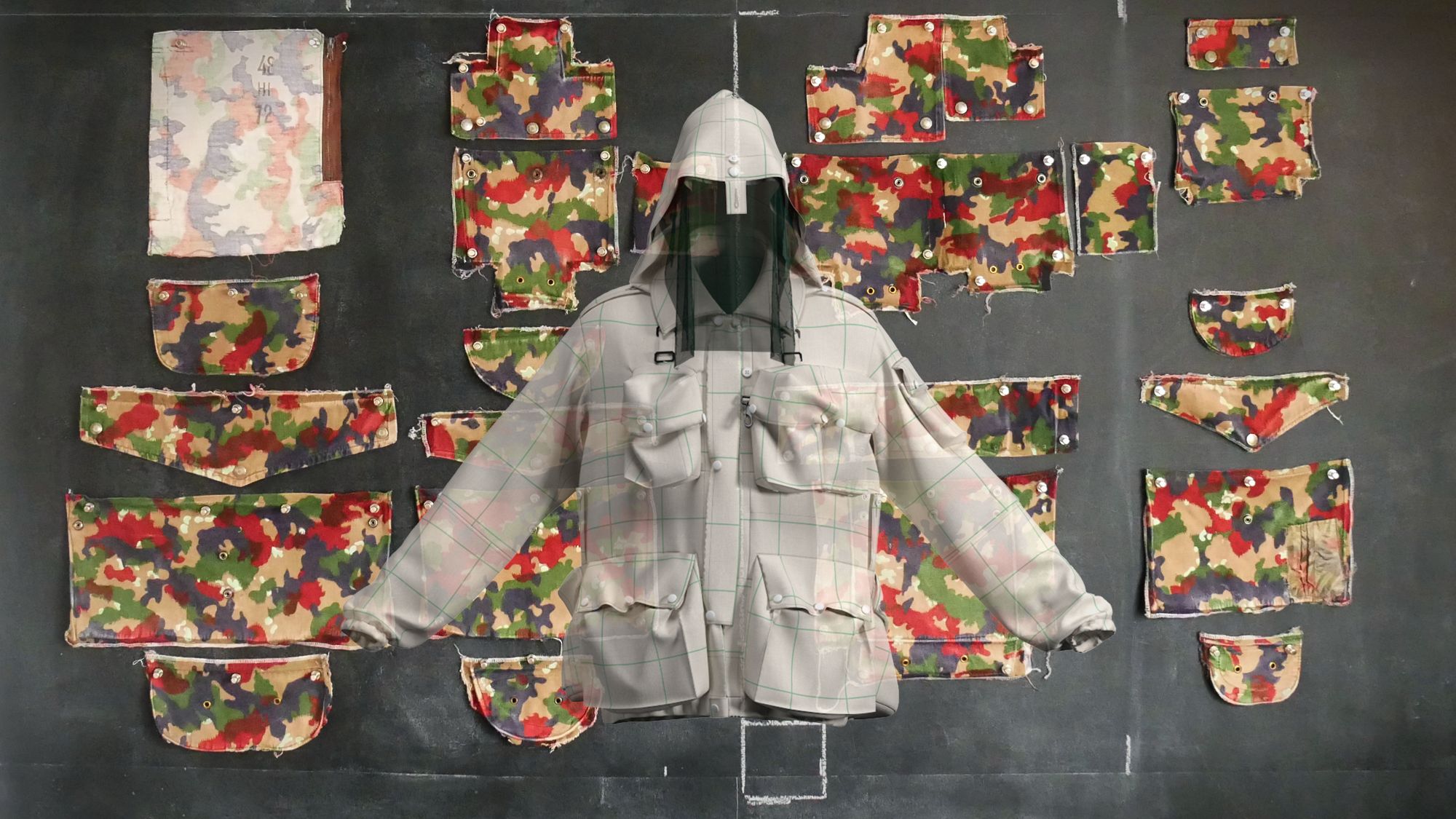
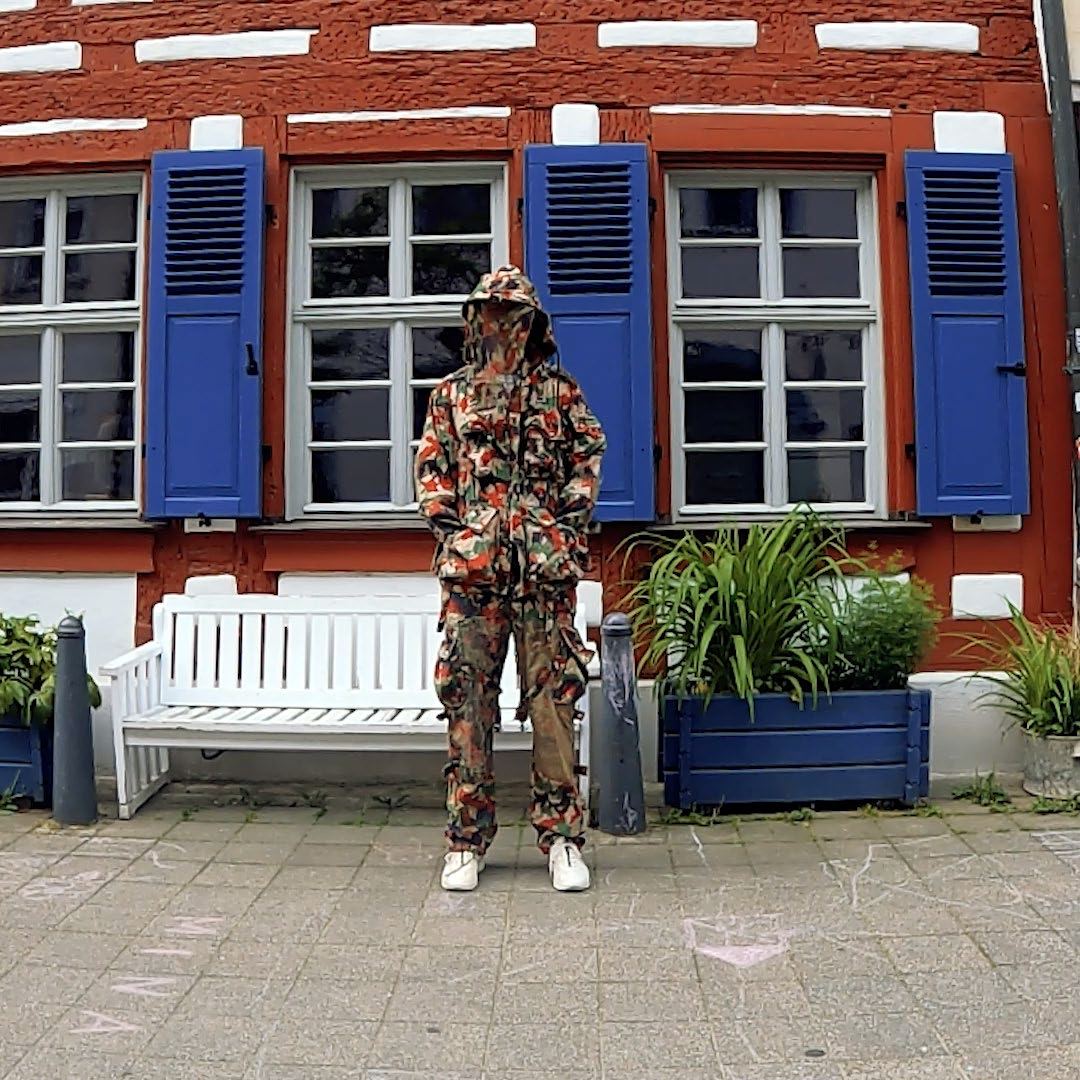
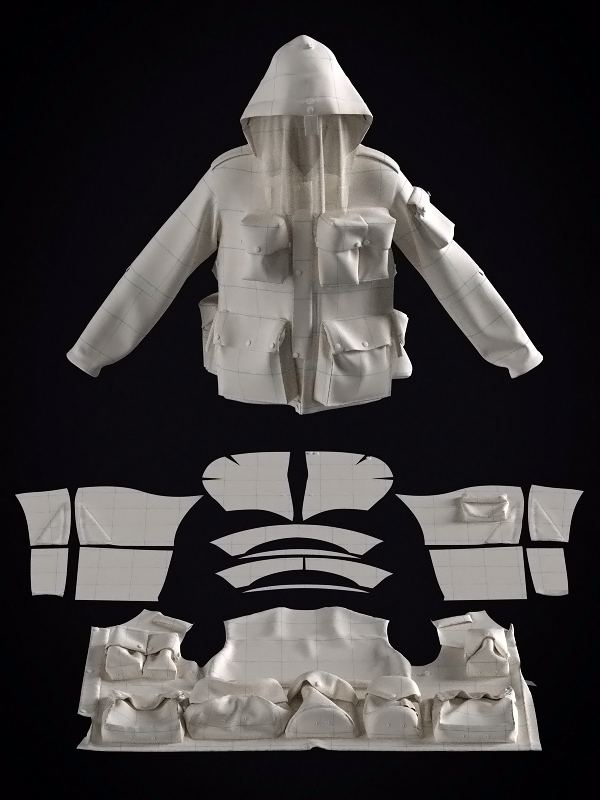
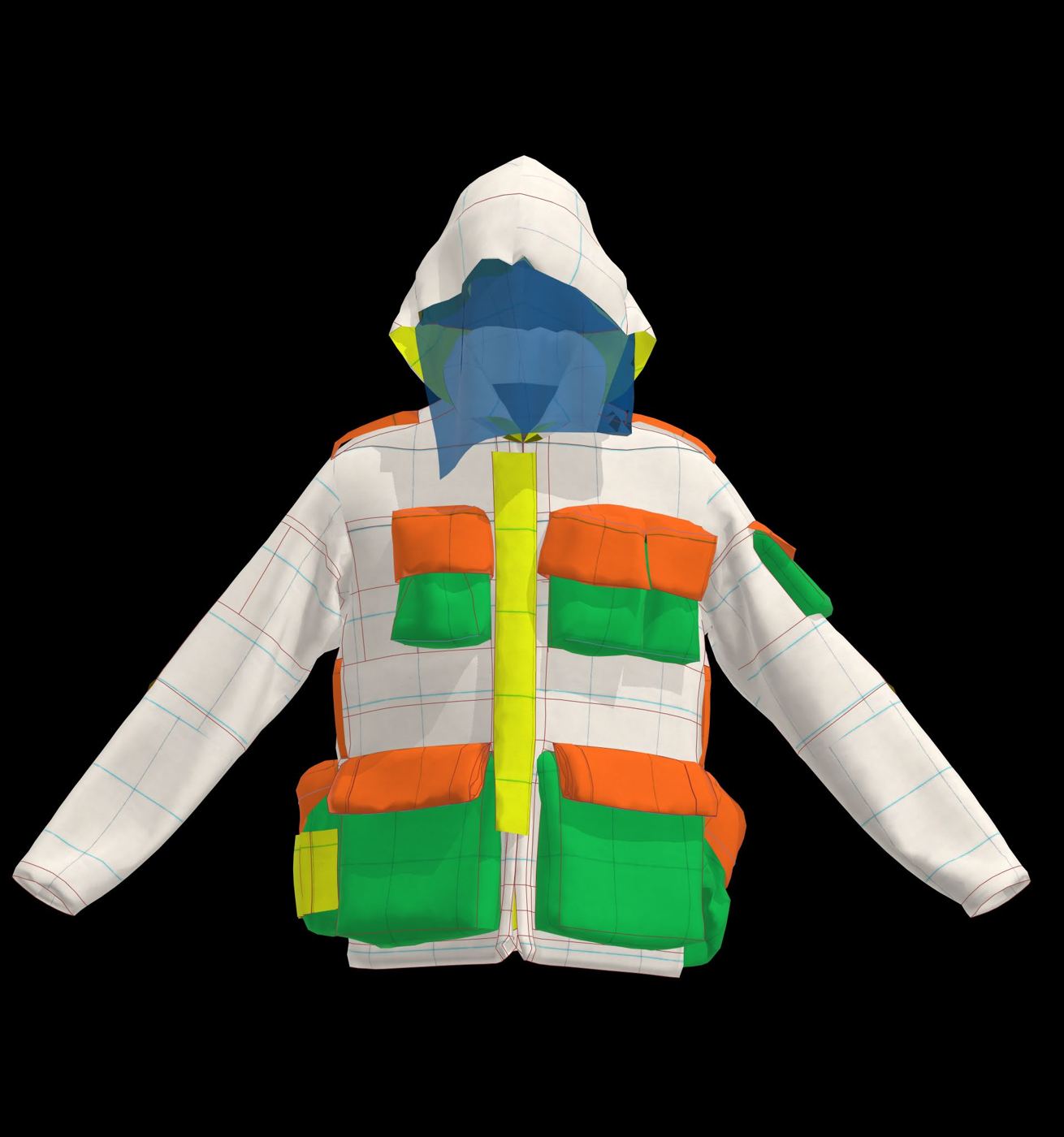
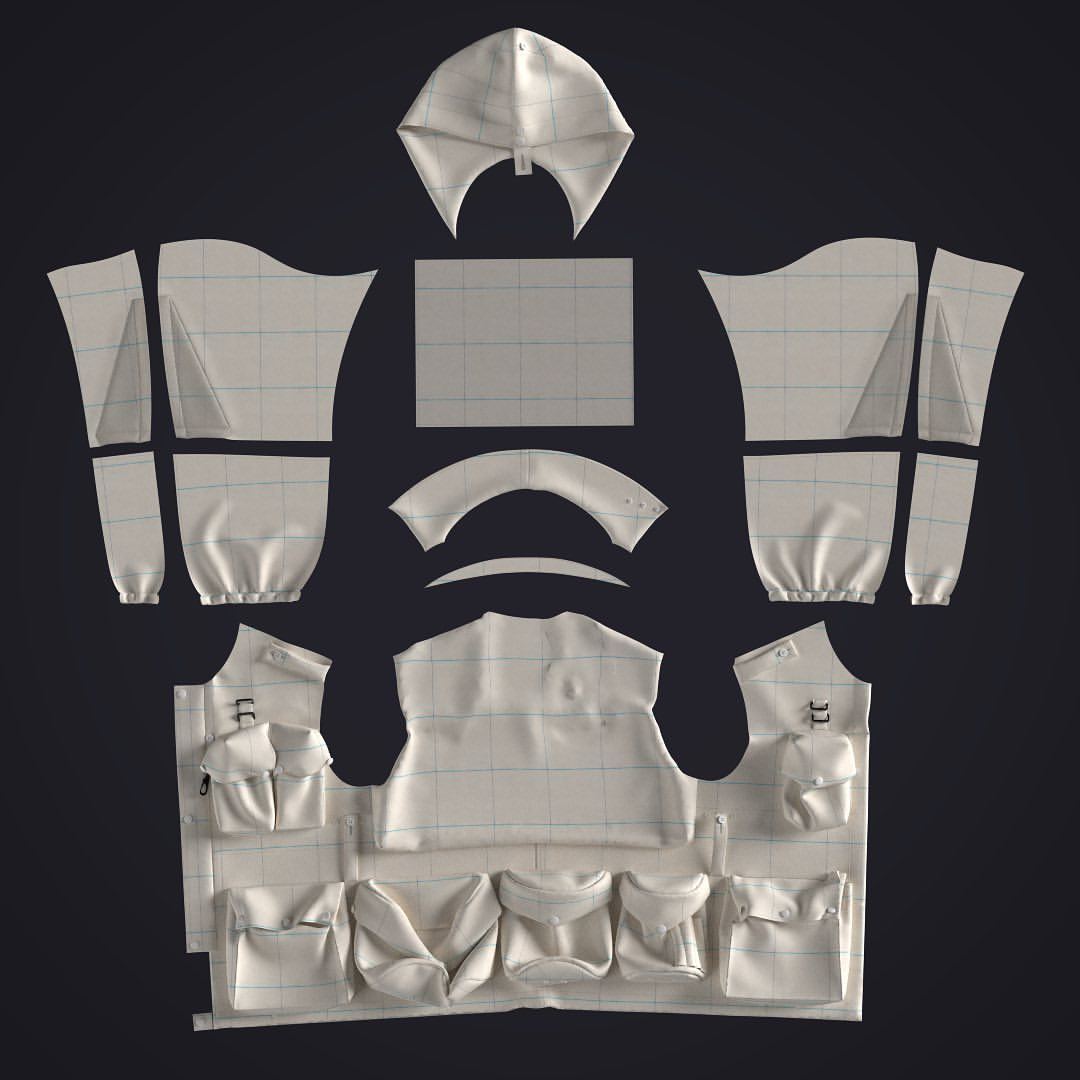
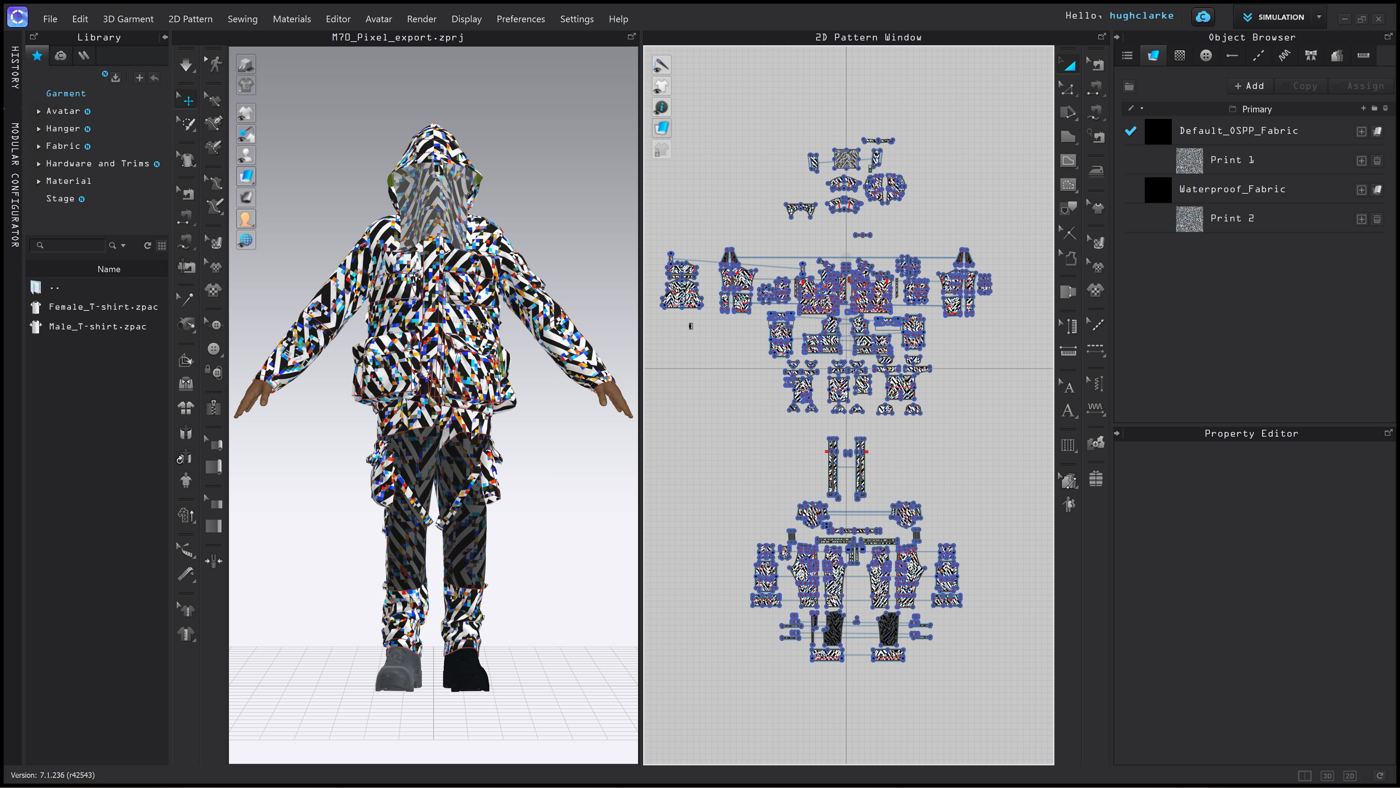
The full pattern is free on openpattern.io, under a CC BY 4.0 licence.
>_ Test it before you cut it
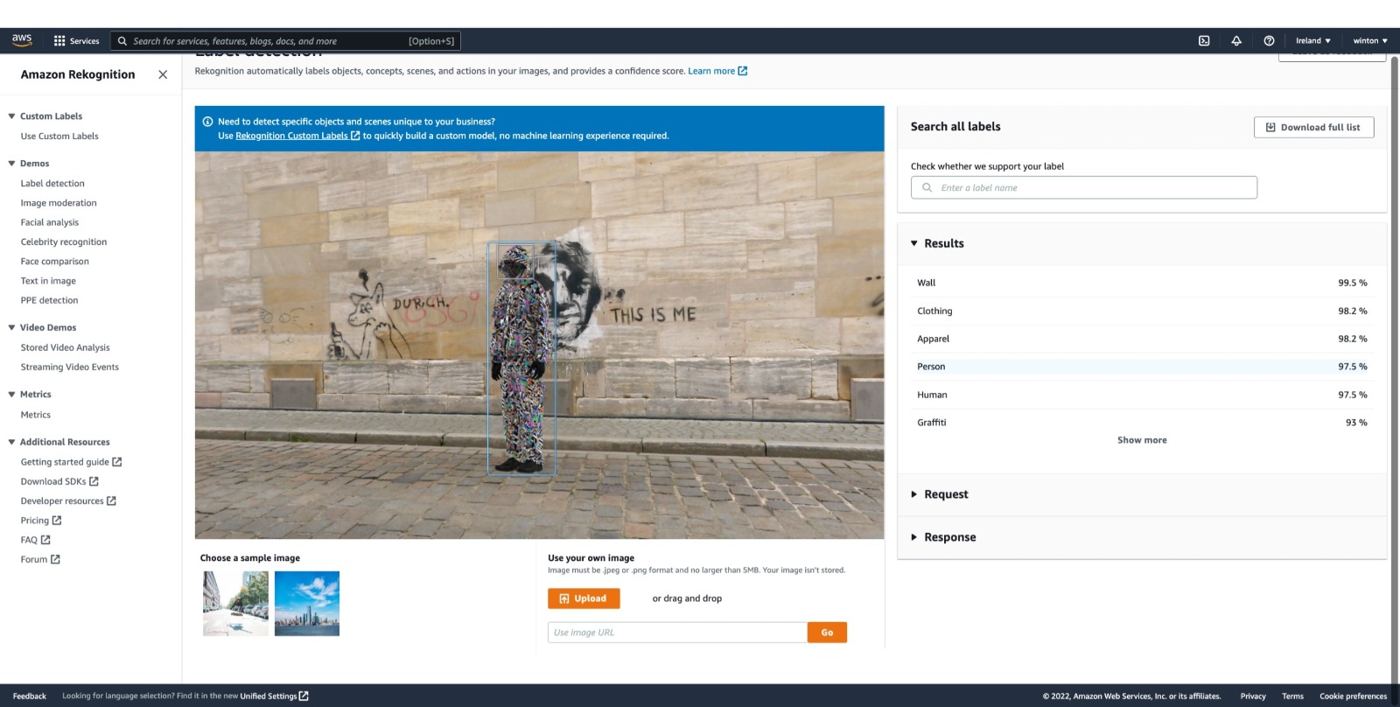
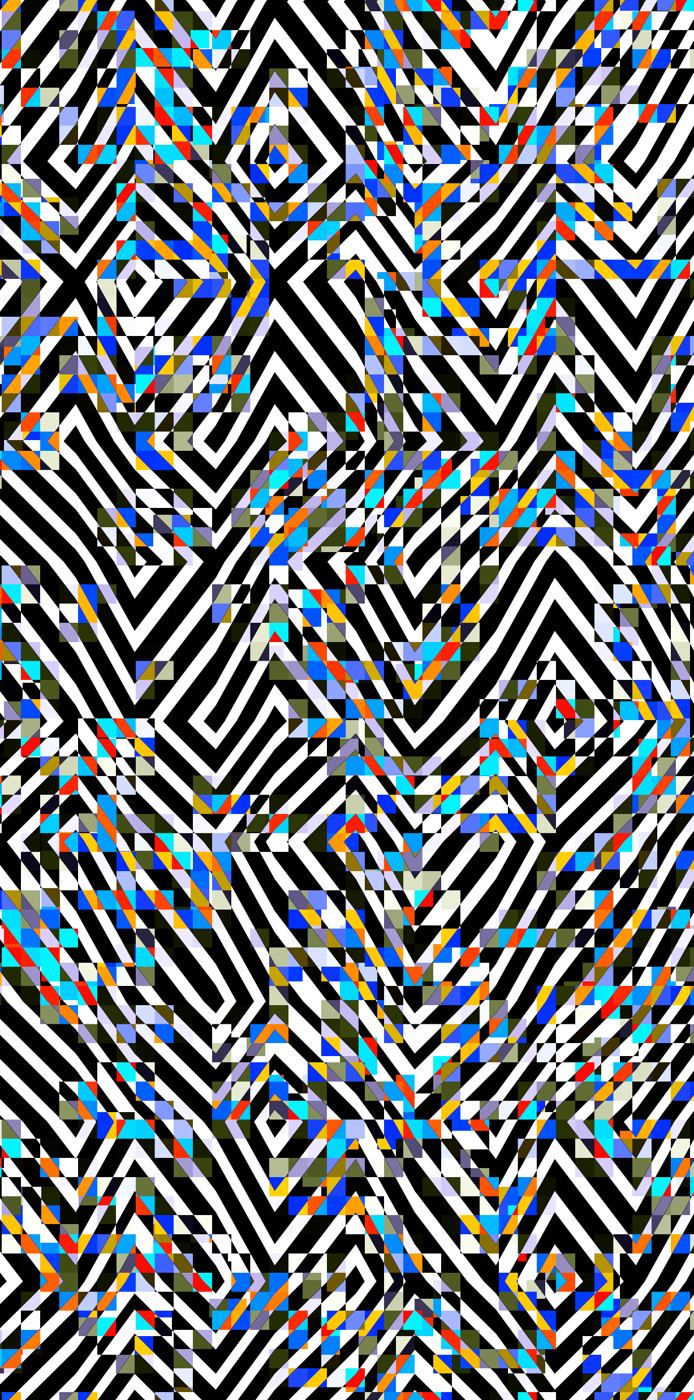
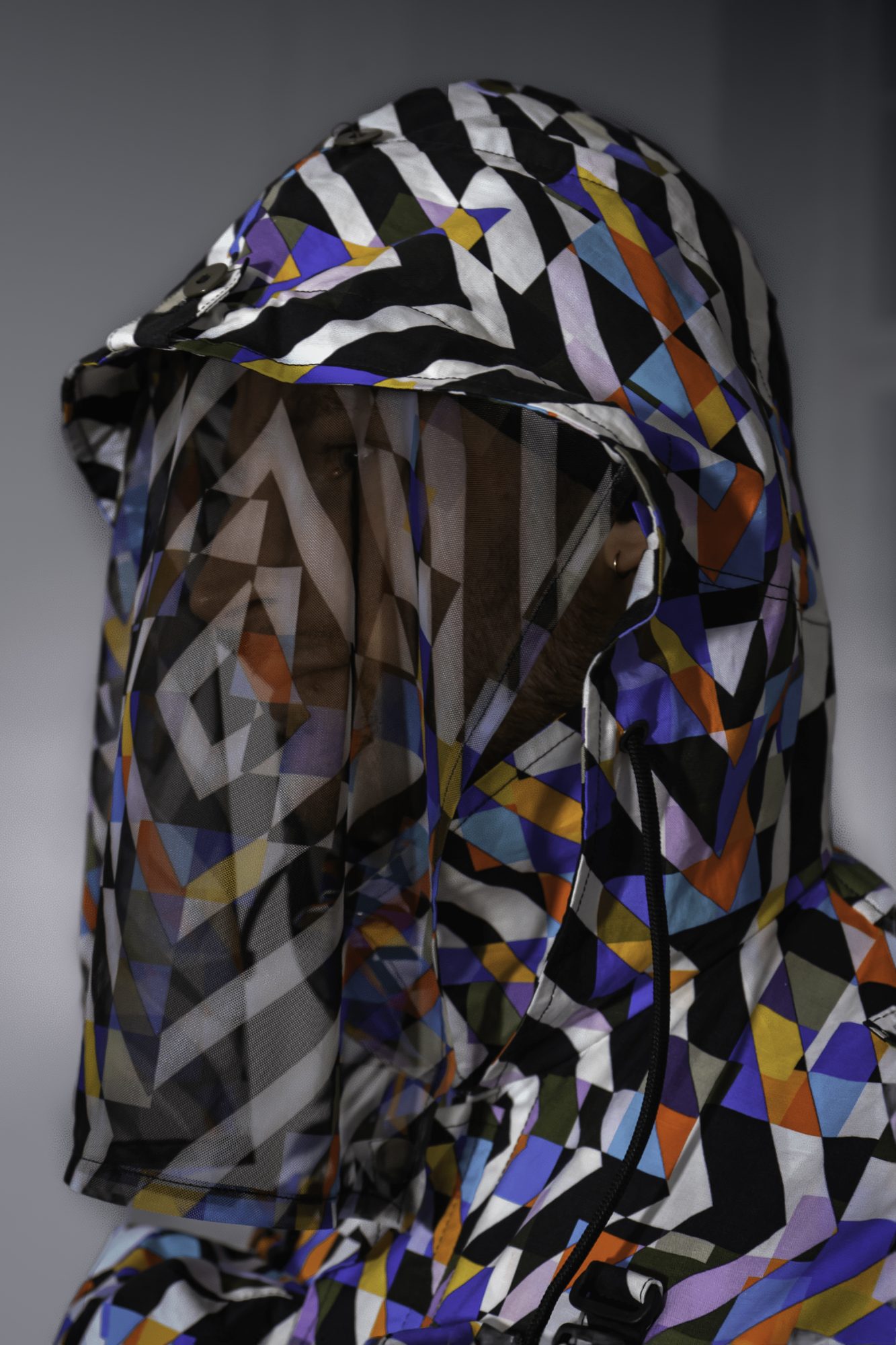
The brief was a suit that confuses the AI cameras that are everywhere today. We put our first mockups through Amazon Rekognition. It still found a person. So the print went back for another round, on screen, before any fabric was printed. Daniel Mohr’s final print stacks three ingredients:
- 01Dazzle
Black-and-white base to break the silhouette. - 02Pixel
A coloured pixel layer on top to confuse the cameras. - 03Reflective
Heat-transfer branding, added after printing.
It fools some systems, not all. It also flips camouflage around: in the real world, you can’t be missed.
the print was fixed on screen, not in fabric.
a wasted print run.
>_ Screen vs. Floor
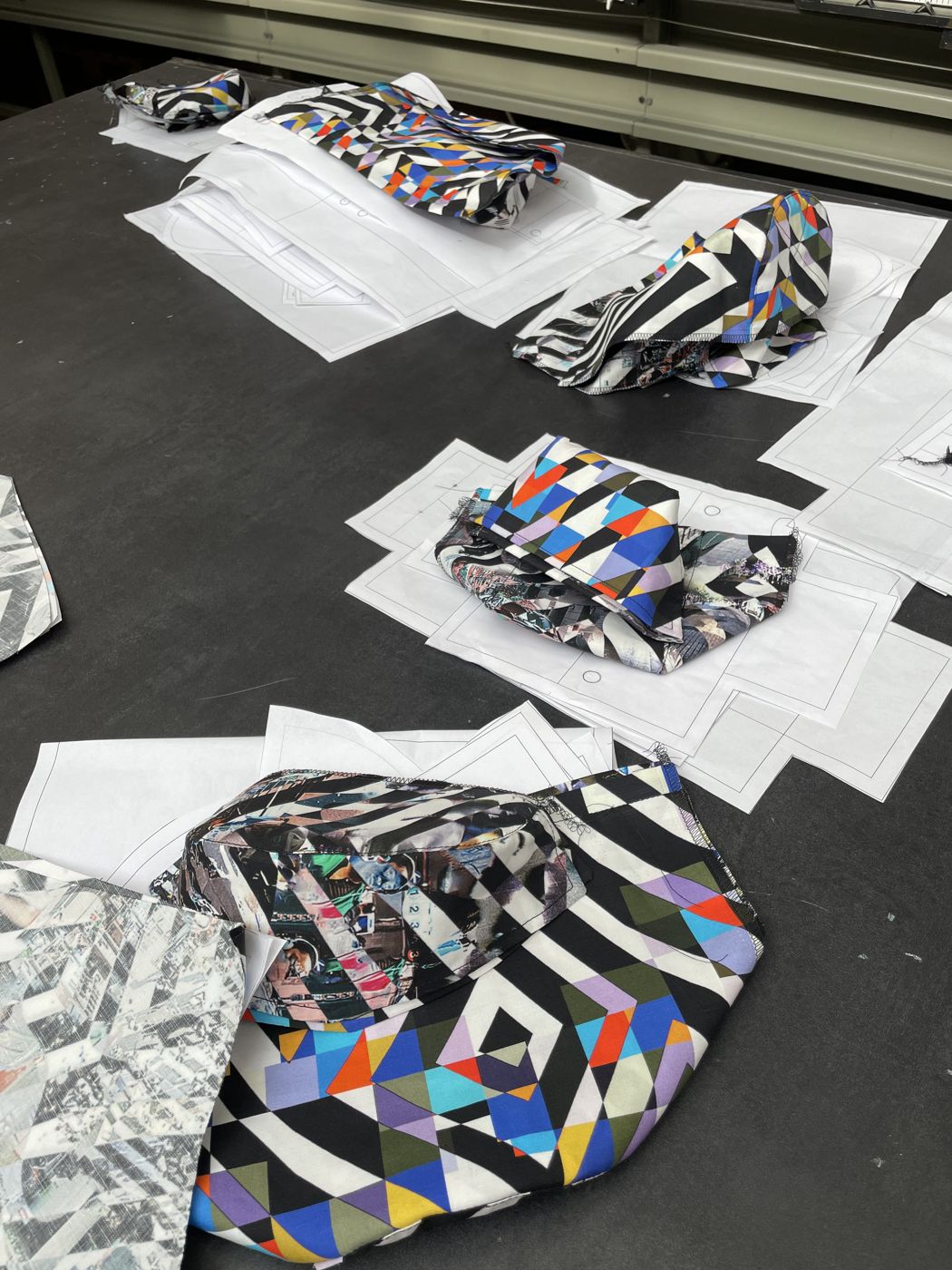
The original was heavy cotton, too heavy for today. We moved to a lighter hemp slub, digitally printed with water-based ink by House of U. Digital print has no minimums: you print only what you need. The sample maker needed 11 hours to build it. We made it once.
one physical sample, used as the salesman sample.
sample rounds two, three and four.
Stage 4: Pre-Sales & Revenue | Visual Persuasion
>_ Launch
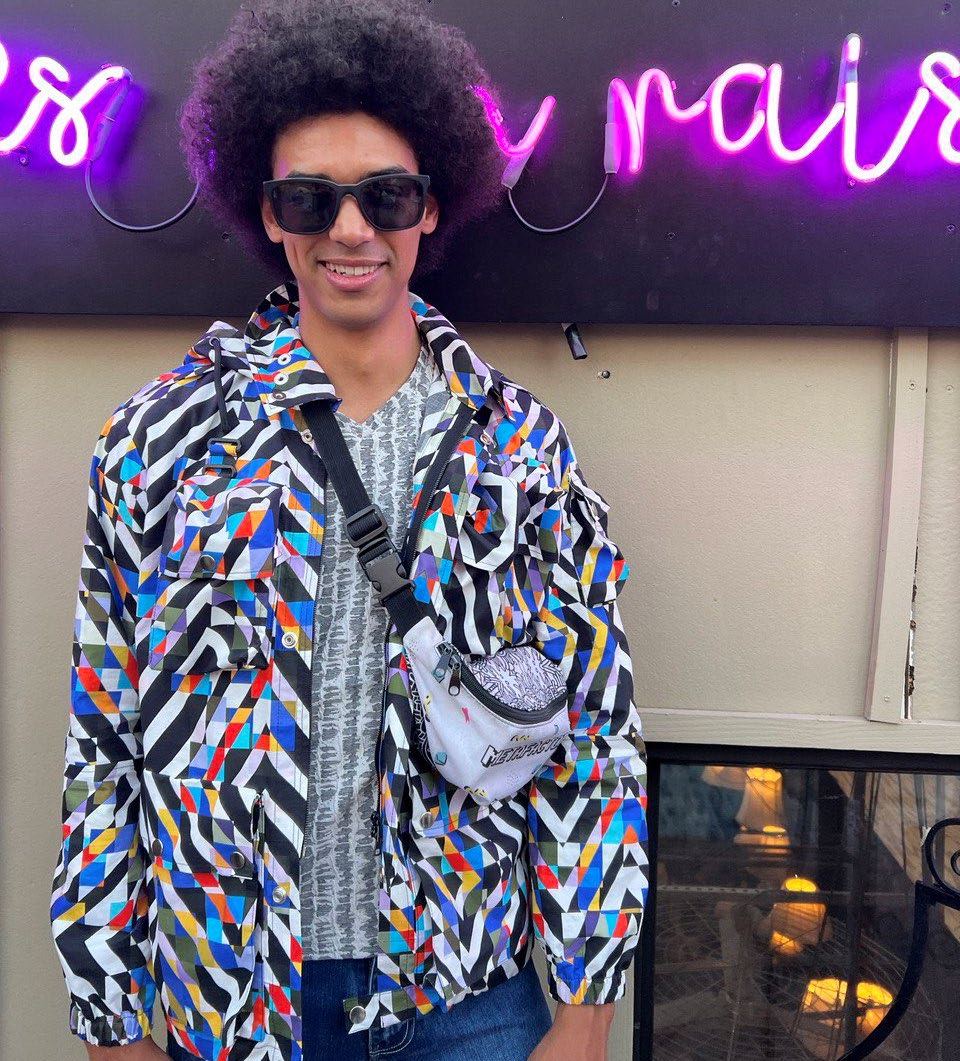
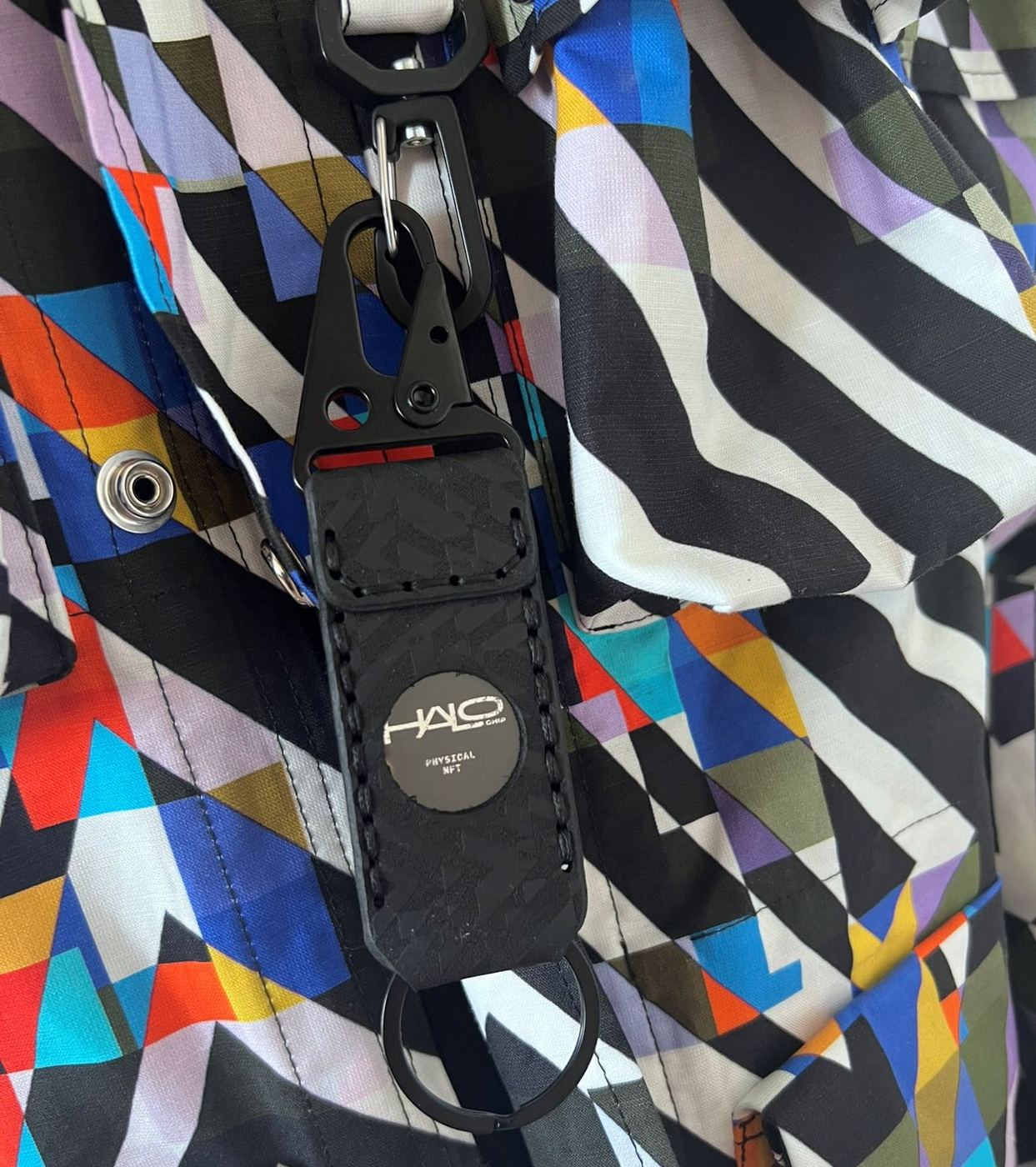
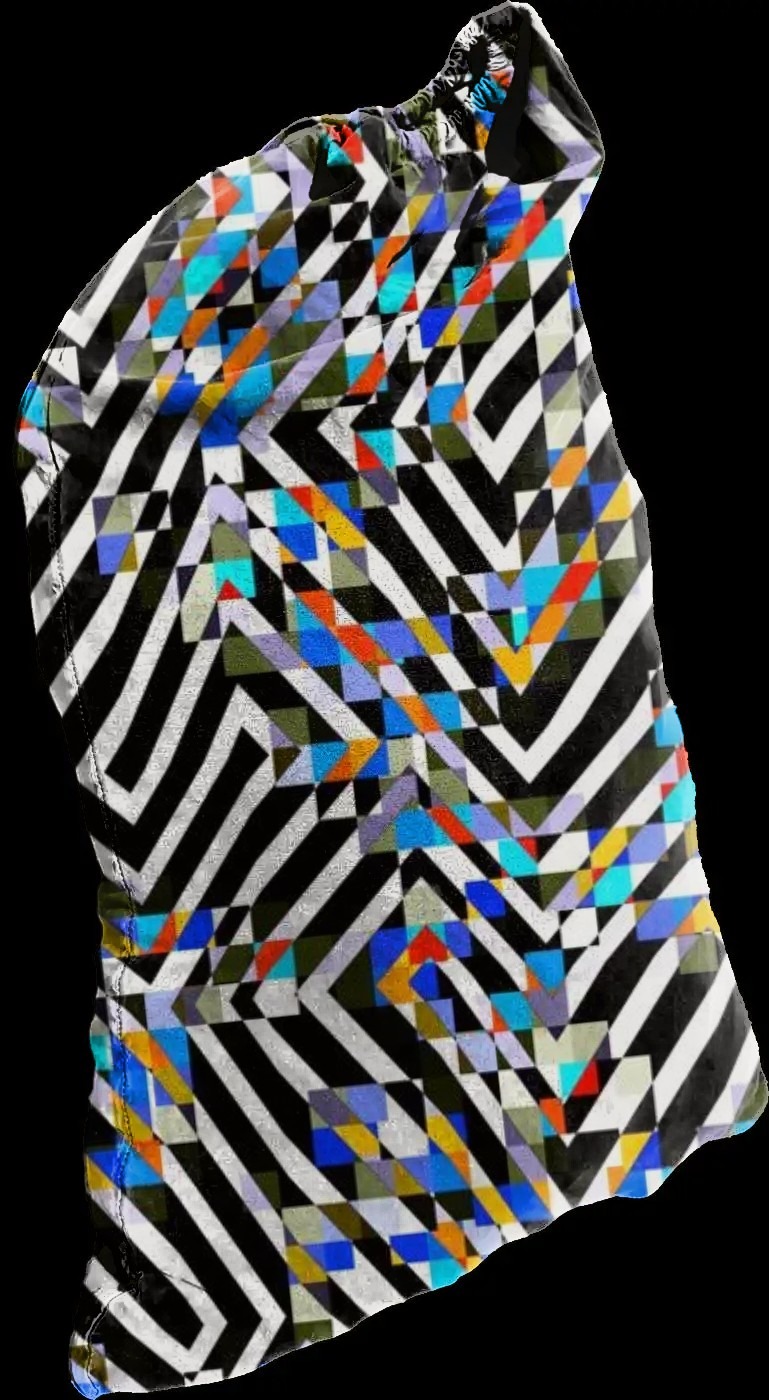
We skipped fashion week and launched at MCON2, a small Web3 developer conference in Denver, September 2022. The sample started on a 360 turntable. By the first party, it was on people’s bodies. Buyers pre-ordered, and their receipt was a HaLo NFC chip on a keychain, holding the patterns, the NFT and the avatar. No plastic bags: we shipped in a storage bag based on an old military wash bag.
sold on presale before production started.
speculative inventory and plastic packaging.
>_ One master model. Every output.
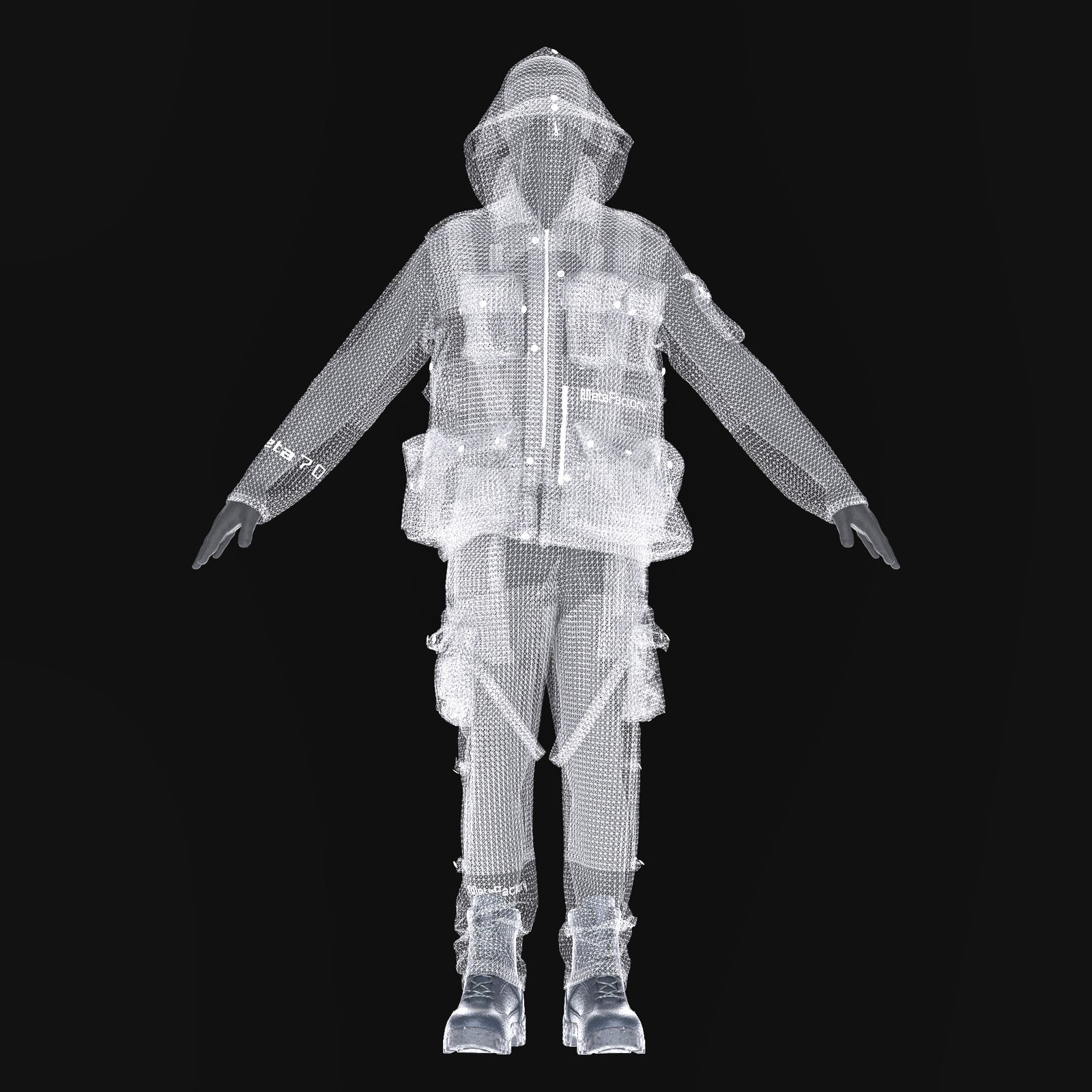
Once the pattern is digital, it goes anywhere: a game, a virtual world, a campaign. No remodelling. No reshoot. Because the pattern was open, five artists remixed MF70 into their own versions.
one master model in games, virtual worlds, AR and campaign.
remodelling and reshoots.
>_ Credits
Behind every brand there’s a team of makers nobody sees. This one names them.
Manufacturing
Rickard Lindqvist, [a]industri
Patternmaking + 3D
Hugh Clarke, TSOM
Print design
Daniel Mohr
Creative comms
Wes C, MetaFactory
Fabric + printing
House of U
Metaverse avatar
Jin
VFX
Fraemwerk
Protocol
Maryam Mazraei + Eiman Soliman, Signature Capsules
NFC chip
KONG
Unreal remix
@hopy_three
Press
TECHUNTER, “Wearing tomorrow – Meta 70 project”
>_ Current availability: [ Evaluating 1–2 partners ]
We run a maximum of two brand pipelines at a time. That’s how we hold zero drift on every handoff.